
Formaldehyde-Free Plywood: Myth and Reality
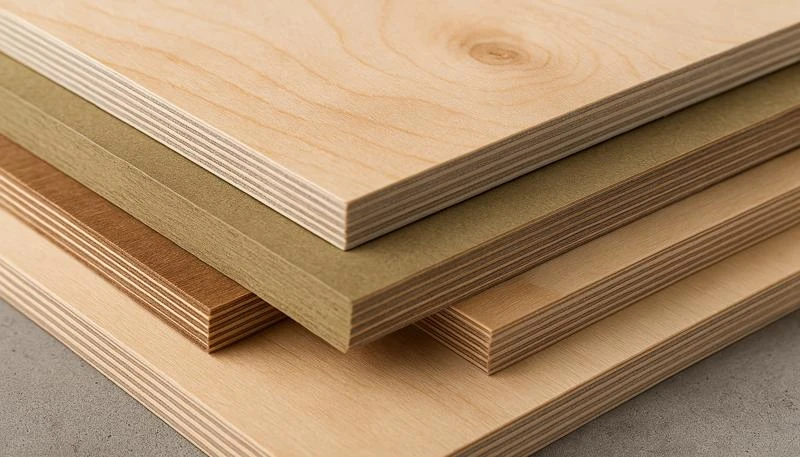
The use of E0 class resins in modern manufacturing is fundamentally changing safety standards in the woodworking industry. Many consumers believe that 'formaldehyde-free' plywood is completely safe, but the reality is more nuanced. Understanding the difference between E0, E1, and E2 emission classes is crucial for making informed decisions.
Understanding Emission Classes
E0 class plywood uses formaldehyde-free adhesives, primarily based on polyurethane or soy-based resins. While this eliminates formaldehyde emissions, the manufacturing process and material properties differ significantly from traditional E1 class materials. E1 class, which is still considered safe for indoor use, contains minimal formaldehyde levels that are well below international safety standards.
Expert Insight
"The key is not just the absence of formaldehyde, but the overall indoor air quality. E0 class materials contribute to healthier living spaces, especially important for children's rooms and healthcare facilities," explains our Chief Technology Officer.
When choosing plywood for your project, consider both the emission class and the specific application requirements. Our technical team is always available to provide detailed consultations.
Recommended
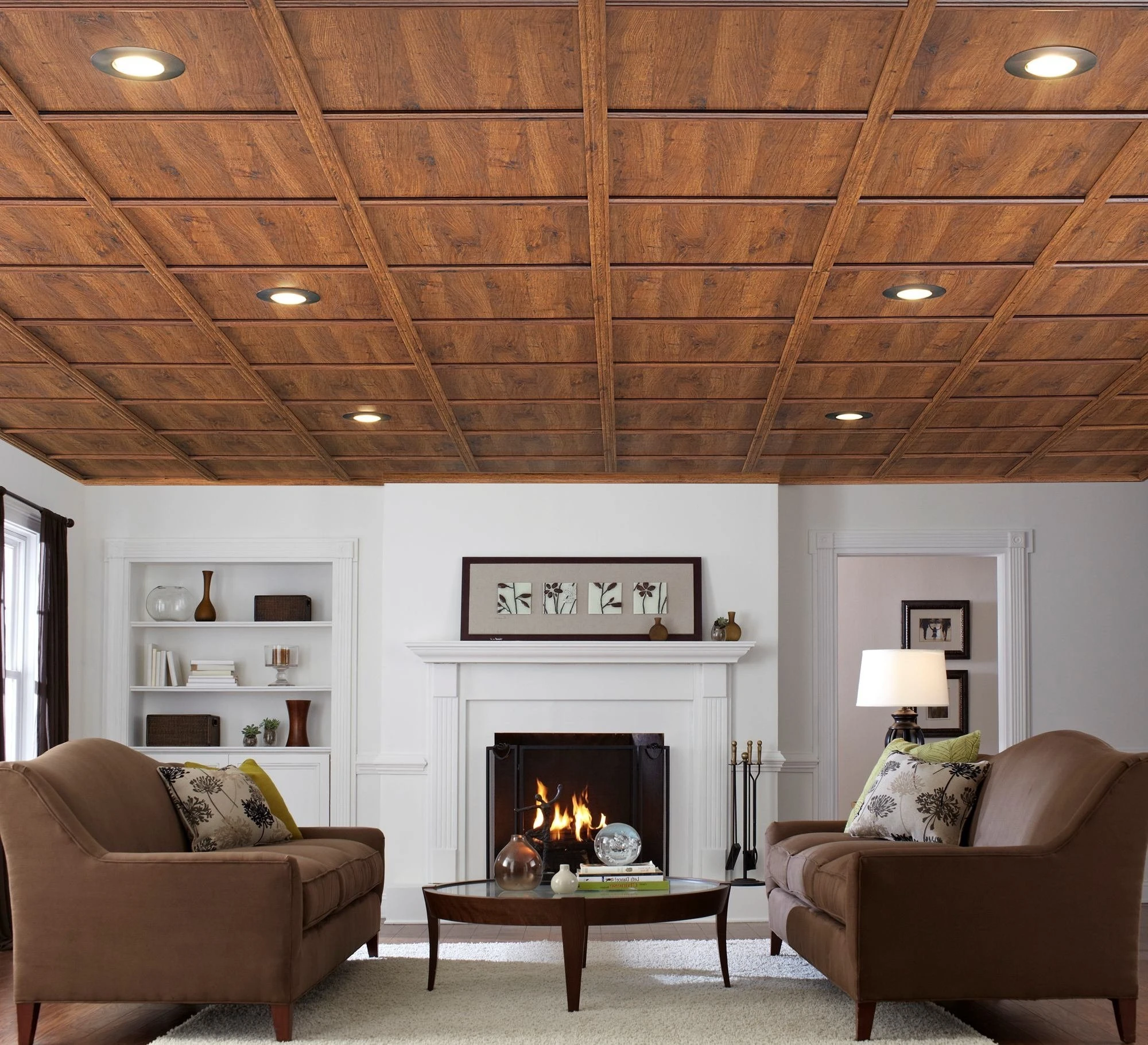
How to Choose Plywood for Garden and Outdoor Projects
JANUARY 15, 2026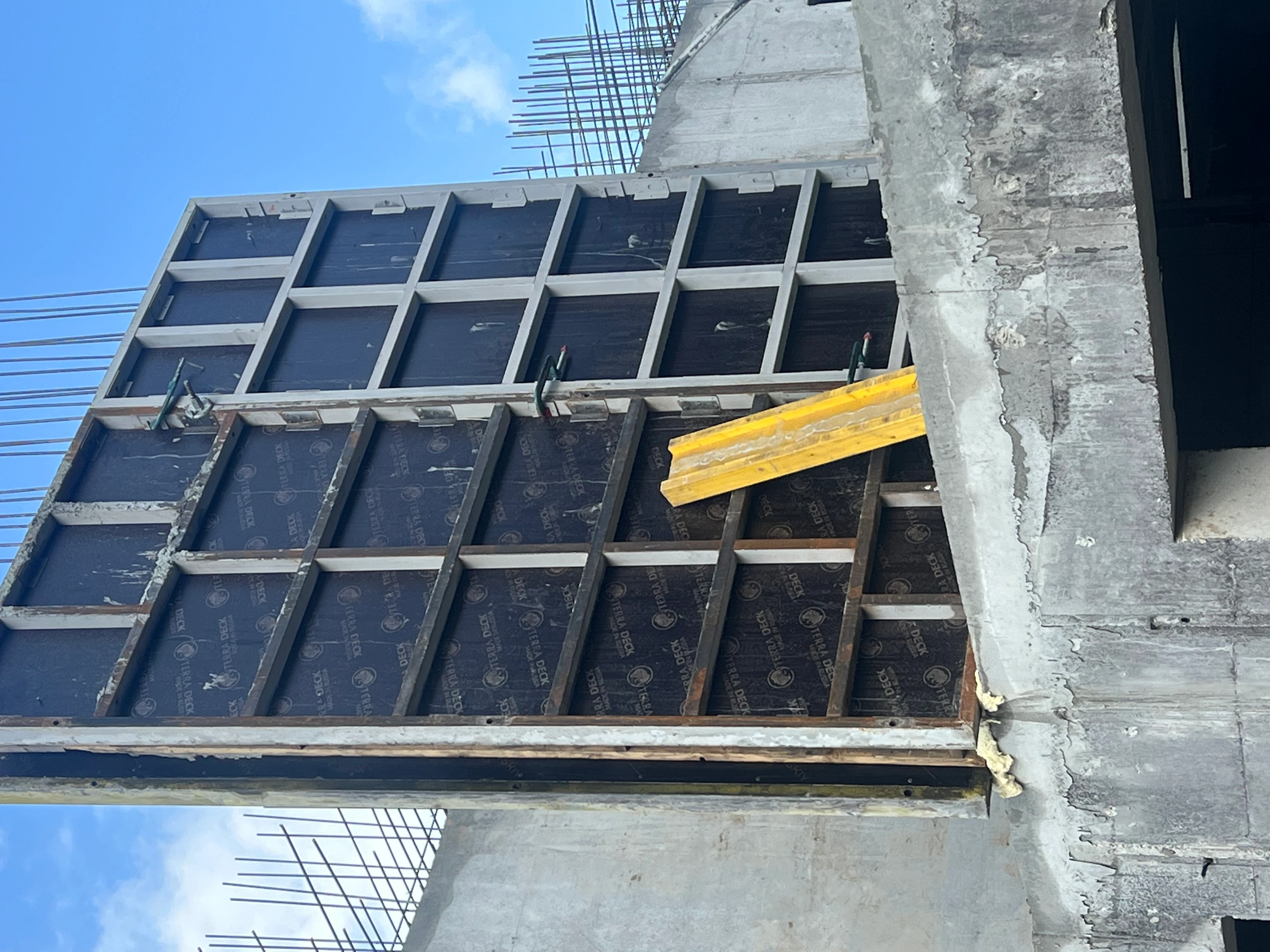
Plywood Ceilings in Modern Wooden House Design
JANUARY 10, 2026Media Kit
Official logos and materials